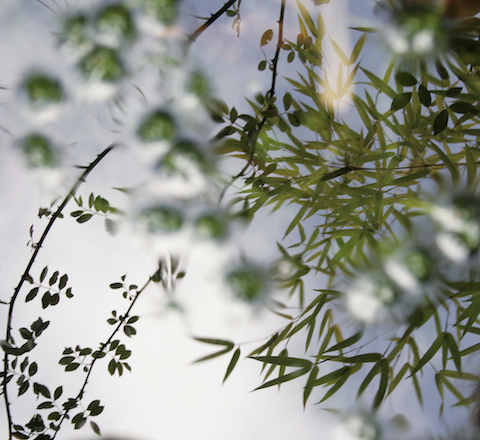
 ©Sue Czapska
Eight photographers addressed the theme for this meeting: the Japanese aesthetic of “Wabi-Sabi” – “the acceptance of transience and imperfection” and the appreciation of beauty that is “imperfect, impermanent, and incomplete”. Both the natural world and that created by humans provided inspiration.
Sue is drawn to the non-symmetrical array of sunlit poppies and the visual ambiguity when vegetation breaking the surface of the otherwise smooth and mirror-like water.
Likewise, Anna’ s eye is drawn to the “order and chance” of flowers, (sometimes smashed), windows and red mesh fencing.
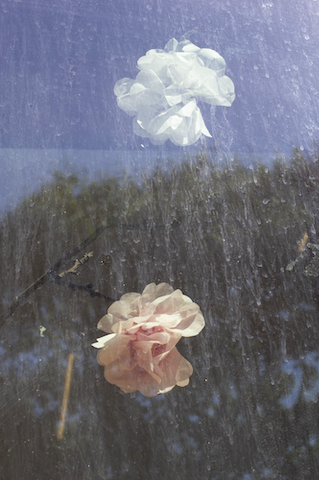 ©Anna Lerner
Edey showed blemished flowers “on the turn” as well as the beauty of leaves eaten by snails. Does the damage to otherwise perfect marble sculptures photographed by Edey enhance or detract from their beauty?
 ©Edith Templeton
Austin explored a similar theme with a sculpture by Japanese-American artist Isamu Noguchi; here the artist works with the flaws in the wood to enhance the richness and beauty of the art work.
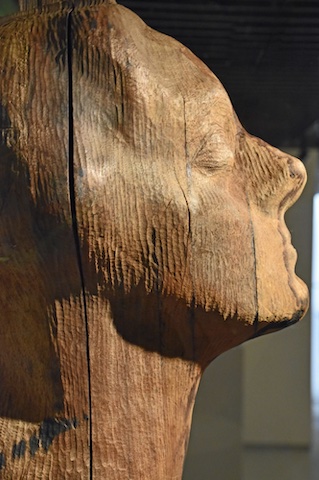 ©Austin Guest
A copper sculpture photographed by Jim at the Hayward is enhanced by the water cascading down the hand.
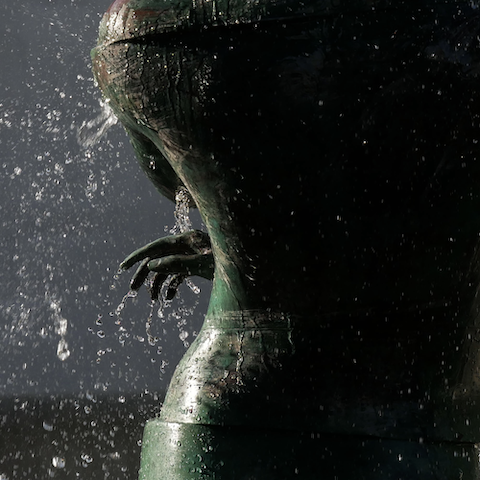 ©Jim Paterson
Janet visited the British Museum where she utilised double exposure images of sculptures of the female form or head – sculptures venerated for or associated with their feminine power.
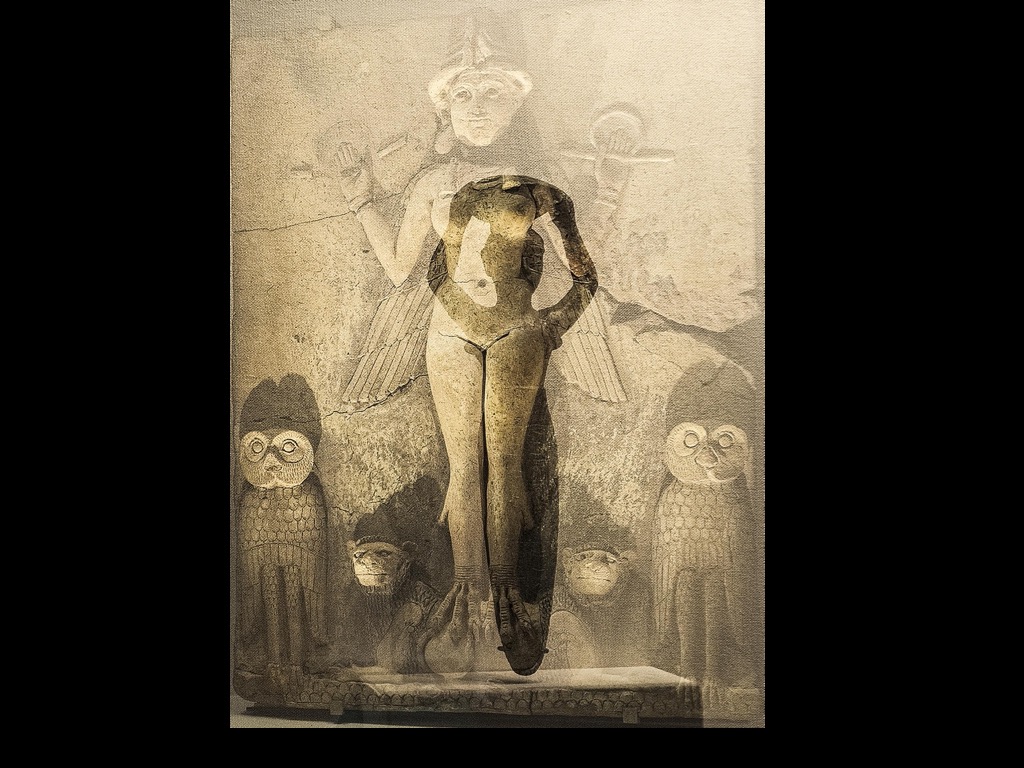 ©Janet Nabney
Alec’s single image taken experimenting with his iPhone offered intriguing and ambiguous reflections.
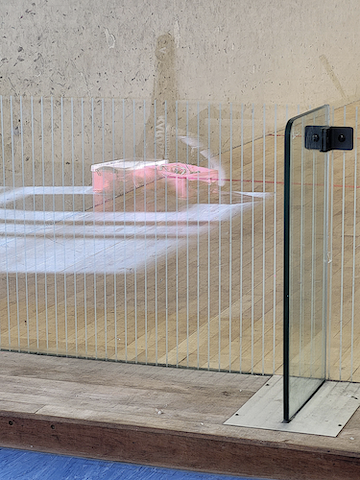 ©Alex Wylie
Robin’s architectural eye led him to photograph Thamesmead (viz A Clockwork Orange) – a flawed and imperfect development but one which produces perfect shadows.
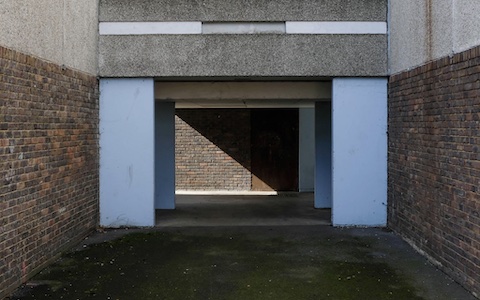 ©Robin Barr
On the theme of “Own Projects”, Sukhy showed some beautifully sensitive portraits of young people from his neighbourhood – including three young men (who variously described themselves as models or mixologists!) and of Beth, with her short pink-highlighted hair, deep in thought on her 30th birthday.
 ©Sukhy Hullait
In her photos of the London Pride march, Nusse tried to show the joy of the occasion. This led on to an interesting discussion on whether the political purpose of these marches had been lost in the party atmosphere, and with exploitation by corporate entities as a free advertising.
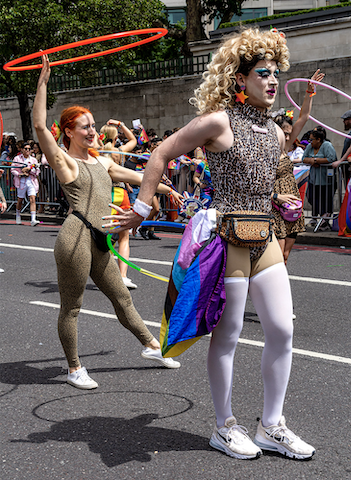 ©Mechthild Vongohren