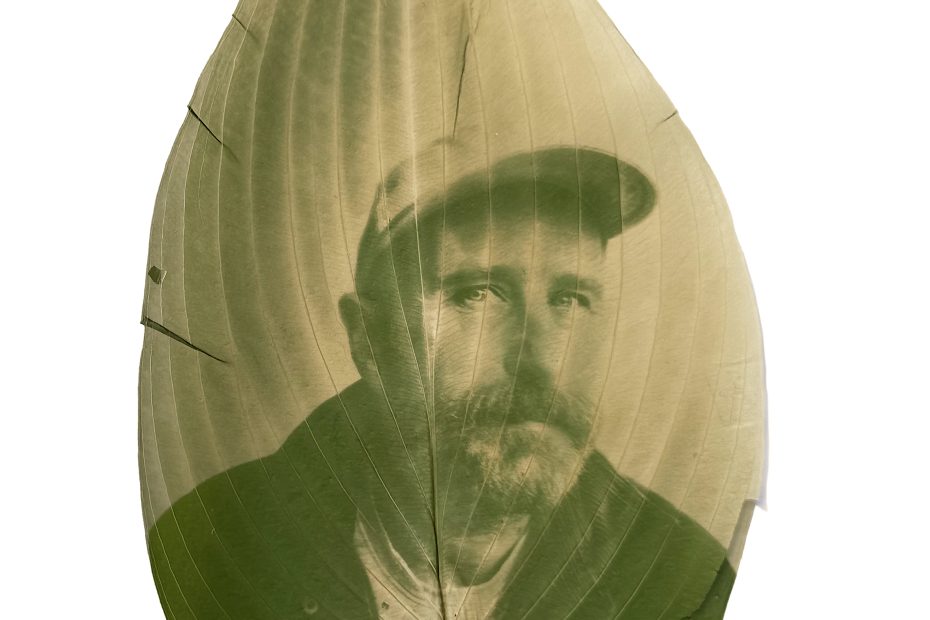
Featured image ©Heloise Bergman
Our first meeting since the summer break was on the theme of Portraits and attracted 20 attendees.
Austin started the meeting with an update on our forthcoming exhibition Connected:Disconnected planned for the last week in October. It will have 30 exhibitors showing 85 images at Photofusion in Brixton. This was followed by 10 participants showing their work.
Edith Templeton showed images from a photo walk in Kensal Green Cemetery, one of the magnificent seven Victorian cemeteries in London. Her “portraits” of statues in afternoon light showed how weathering had decayed their features, alluding to faded memories of the deceased.
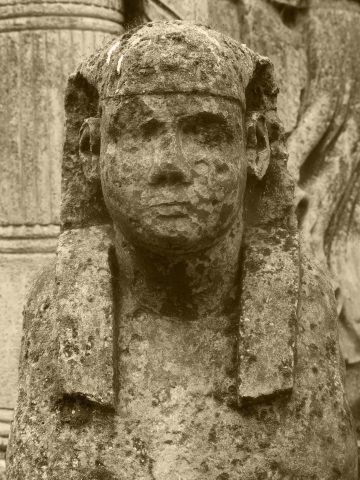
©Edith Templeton
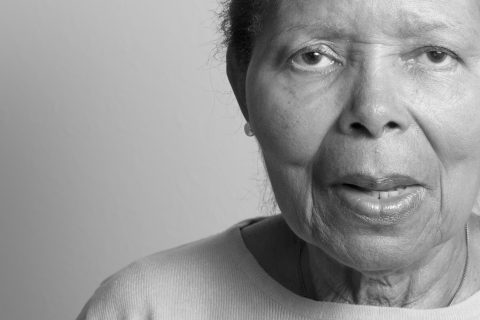
Pauline Moon showed her progress in portraiture over a 13-year period. Her portraits were sensitive to her subjects, e.g. showing her aged father studying a paper and a teenage nephew making an expression only a teenager could. One portrait of a woman gained visual energy because it was cropped with negative space on the left and from her eyebrows downwards.
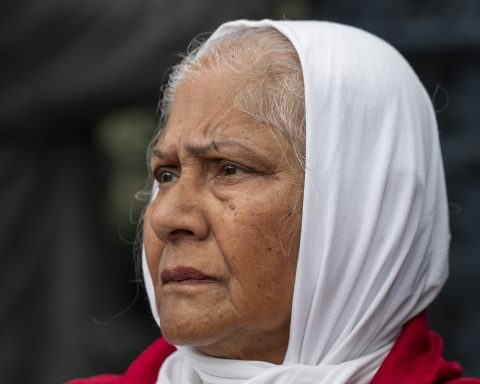
Mark Friend showed a selection of street photography portraits, some of which looked like formal poses but hadn’t been directed. Some of the strongest images were of a pained expression of a woman at an Israel/Palestine Rally, and of two people caught in shafts of light in the Tate Turbine Hall.
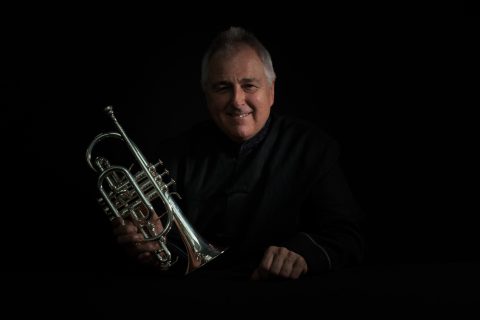
Simon Zebu’s playful portraits had been photoshopped (before the age of AI) to add context by dropping in a background e.g. Madonna and child with a backdrop of Paris viewed through an open window. He also showed accomplished professional portraits of a trumpet player, timpanist and fashion designer.
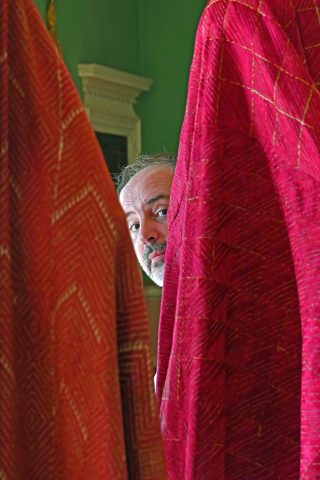
Austin Guest showed portraits ranging from a studio lighting workshop, formally posed portraits of his mother and grandson, to candid shots of a gardener, and a playful shot of a friend peering back at him through displayed robes at Osterley House. The latter worked very well.
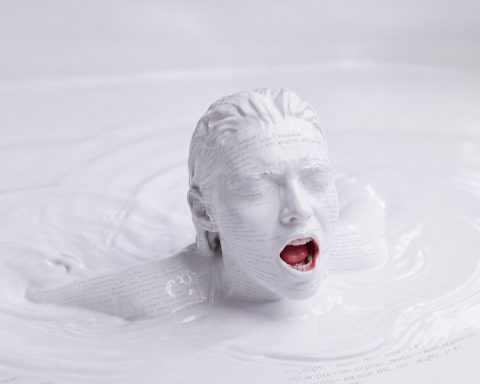
Jan Cylwik presented images he generated in Photoshop for the group exhibition. They reflected his feeling of disorientation, swimming in the contemporary sea of synthetic images. This topic drew out much discussion on the process of image generation, uncanniness of the results and whether he should try to create photographic self-portraits with a similar look to convey his feelings more authentically. Most people agreed that his images were striking and thought-provoking, but some disagreed on whether they could be classified as photographs.
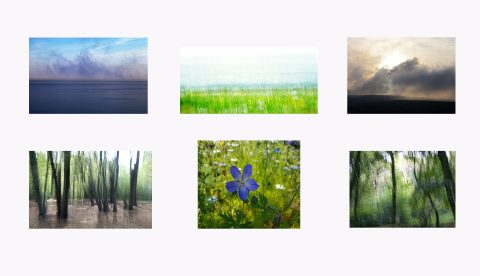
Sue Czapska showed how she had curated her images for the London and Beyond satellite group exhibition at the forthcoming Brighton Photo Fringe. Rather than hang 12 unframed prints individually, she will print them as two sets of six on large sheets. She avoided the formality of layout by using two images of varying sizes and aspect ratios, but harmonised them through colour and form. The images had a theme of water providing connectedness in nature through evaporation, precipitation, transpiration. Sue used vertical ICM to evoke the vertical movement of water.
Steve Jones showed some well-observed street photos from a holiday in Rio de Janeiro ranging from a shockingly well-tattooed man in shorts in the Hilton Hotel to young men sleeping on the street during a siesta. Some of the most candid shots were taken simply out of the windows of a taxi. A couple of shots excelled at juxtaposition, e.g. a man and his shadow juxtaposed in separate window panels, and the posture of a street vendor sitting on a chair juxtaposed with the advert on a passing suburban train.
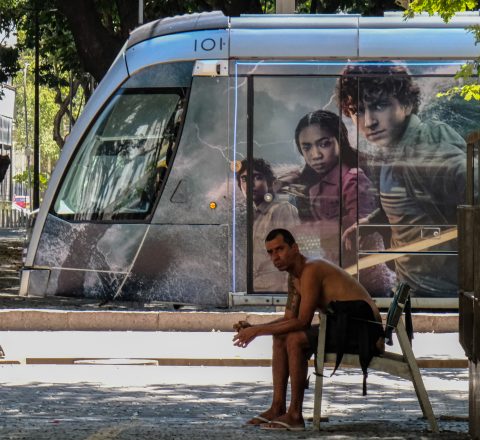
©Steve Jones
Heloise Bergmann showed an extensive set of chlorophyll print portraits she had exhibited at the Brighton Photo Fringe two years ago. The process involved taking portraits on a phone, then attaching the negative to a large leaf of a hosta or lily and exposing it to sunlight for several days. The portraits became a fusion of a person and nature. Those on damaged leaves alluded to our transience as part of the natural world.
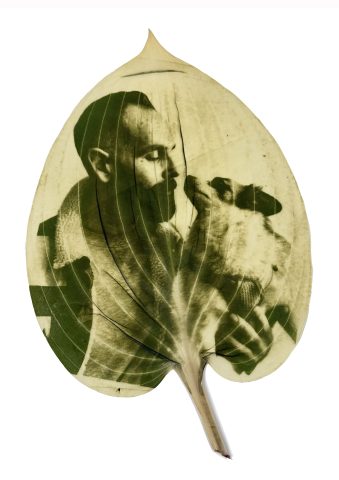
©Heloise Bergman