
Featured image © Julian Sainsbury
The Central Group’s March theme, ‘Patterns’, was popular among members who took us around the world to consider what makes an interesting photo amongst an array of human and natural designs. A record 27 people attended the meeting, including two new members.
Fred Kavalier made top-down images of the metal drain covers he noticed while waiting for buses between his home and Soho Square. Careful study of these revealed intriguing patterns and inscriptions; we were all interested in the wide variety of designs and shapes beneath our feet across the city.
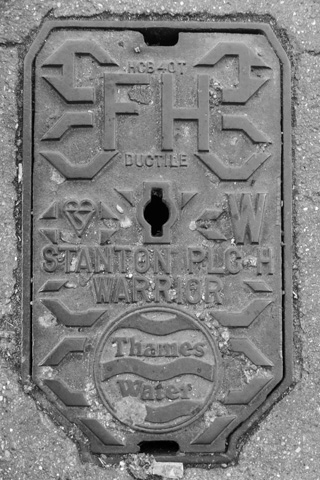
© Fred Kavalier
Mike Coleman took us to Naples, the Cardiff Senedd, and back to London to show us a variety of geometric patterns, lines, and recurring colour tones he was drawn to in structures, churches, metros, water, and the Barbican toilets. He also showed us patterns resulting from his experiments with zoom burst.
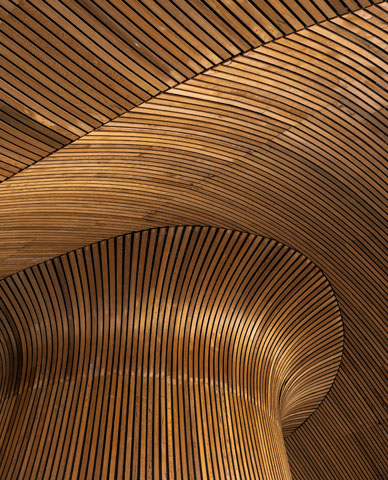
© Mike Coleman
Frankie McAllister took us to sunnier climes again with manmade repeating brick patterns in Spain and a salination plant in Lanzarote before heading back to London via Northumbria. We enjoyed natural repeating patterns on floors, walls and snow as well as Frankie’s multiple exposures of layered patterns.
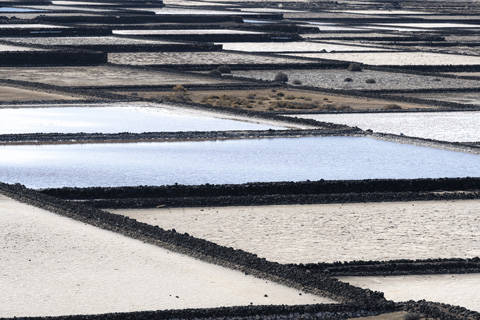
© Frankie McAllister
Chloe Sastry shared an ongoing collaboration with fellow LIP member Nell Darby, a slow photo conversation, connecting by sharing small details noticed on mindful walks. We saw their initial attempts at diptychs and triptychs bringing together common patterns, tones and themes.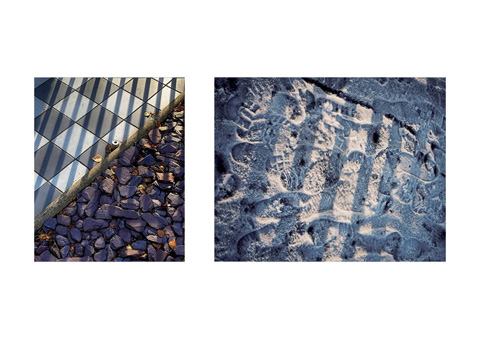 © Chloe Sastry/Nell Darby
Mark Friend showed us patterns from the Southbank and Lowestoft. He shared his images with shallow depth of field and intentional blur while asking us how abstract one can get with patterns before they start to lose their meaning. Members particularly liked his images of lights.
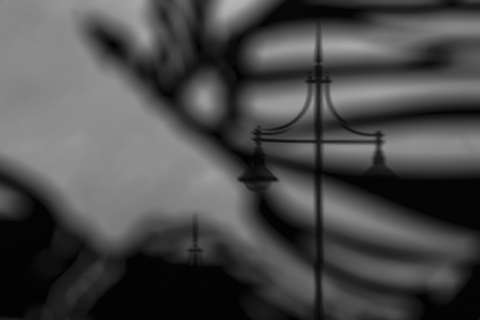
© Mark Friend
Dorota Boisot showed the intricate, repeating natural patterns occurring in plants. We looked at teasels, sedums and euphorbia and asked how plants are programmed to form in this exact way. Members commented that somehow each tiny element comes together to make a perfect whole. These close-ups were contrasted with images of the patterns seen in manmade bedding plant layouts.
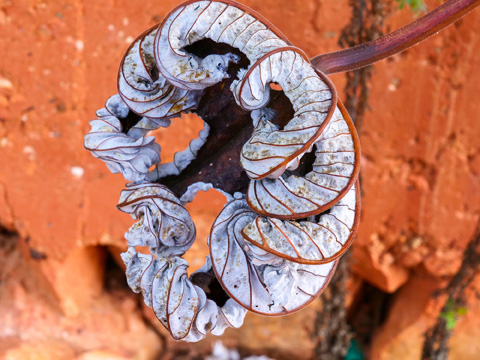
© Dorota Boisot
Geoff Titley showed us his series on London gardens and explained how he has taken the nature out of the garden environment and replaced it with elements of constructed artificiality in two series of images. His second series showcased the intricate patterns in the stages of natural decay surrounded by the expanded frames he created to support the images.
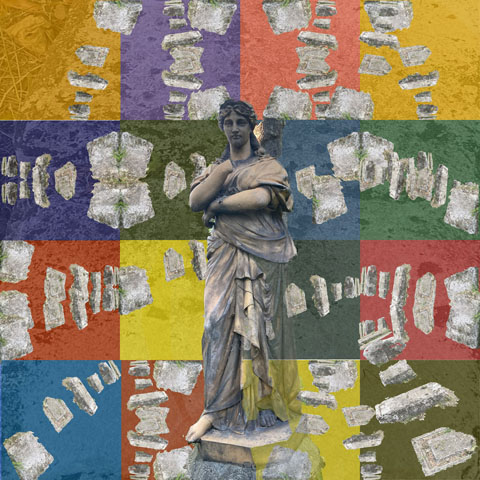
© Geoff Titley
David Helms contrasted manmade patterns through cafe windows and the effect of sunlight and shadows on buildings with nature’s designs in flowers. He experimented with a silver filter to bring out patterns in the editing process.
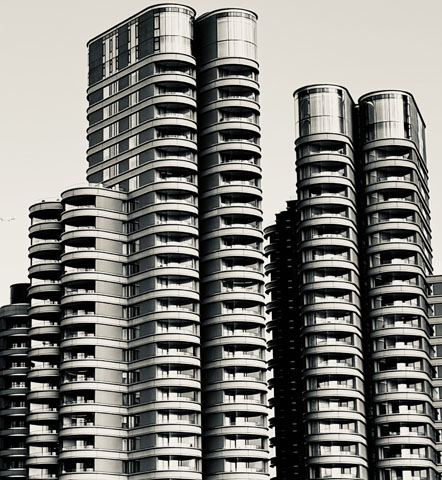
© David Helms
Pauline Moon looked for patterns in signs, shop windows and street furniture in her local Hackney area, asking if patterns and small details can be used to convey the feel of a geographical area. Members agreed that when walking with a camera, ‘the more you look, the more you see’ and that pairing images together can create an even bigger effect.
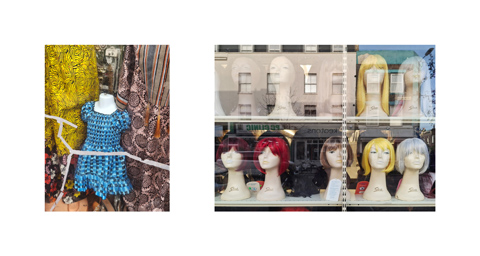 © Pauline Moon
Lizzie Brown showed us patterns in a Portuguese swimming pool before considering the layers of history visible in patterns within Haringey Passage. Turning to the natural world, we saw patterns in lichen and spider webs in St Leonard’s on Sea and the water trails left by a cormorant on the New River in Haringey.
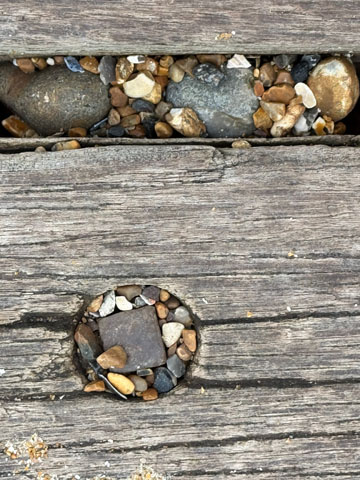
© Elizabeth Brown
Astrid Zweynert took us to the London Aquatic Centre, the Barbican and the Regent’s Canal, noting the visual effect of human disruption to repeated patterns. Members enjoyed the well-timed capture of striking patterns of light on the water.
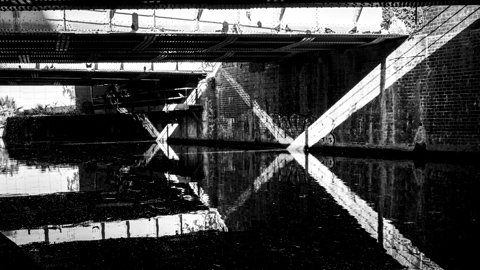
© Astrid Zweynert
Jim Paterson also showed us a mixture of natural and manmade designs, including leaves, sand and water in Nova Scotia and the jewellery quarter-inspired designs within the Elizabeth Line’s Farringdon station, which he had been personally involved with. Members were amused by the patterns evident in his images of people in socially uniform clothes.
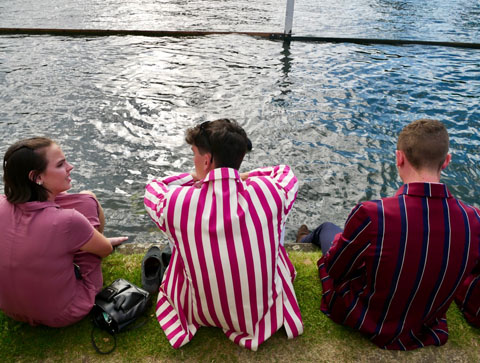
© Jim Paterson
Dragana Josifova was drawn to infinity lines when photographing repeated patterns and colours she found around London, showing us pictures from the Barbican, the Royal Festival Hall, Canary Wharf and White Cube, finishing with a demonstration of nature’s fragility and perseverance in an image of ivy leaves.
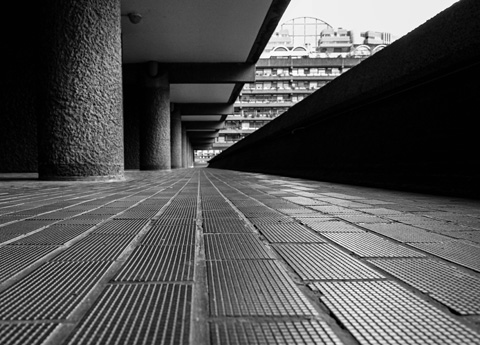
© Dragana Josifova
Julian Sainsbury noted the very human trait of enjoying looking for patterns and repetition, and he asked members to consider what works well and perhaps not so well in a ‘good’ patterns photo. Looking at his images of vehicle depots, silos and other manmade structures, members agreed that slight variations and disruptions to repeated elements perhaps elevate an image and create more interest.
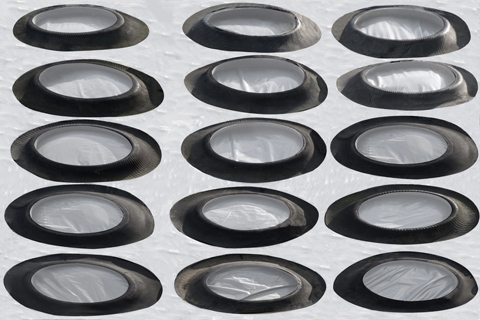
© Julian Sainsbury
Nusse Belton compared more natural and manmade repeating patterns, showing us photographs including the colourful, intricate veins in plant leaves and the decorative rainbow structure near Paddington.
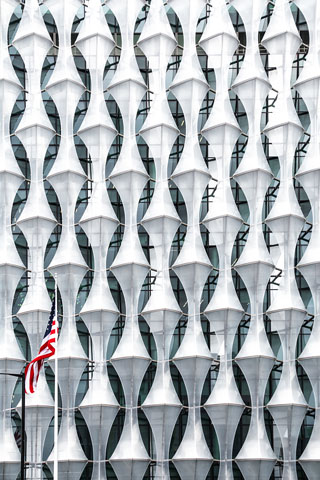
© Nusse Belton
Steve Jones traced what has changed and what has remained the same in a derelict industrial estate near Gravesend. He has seen small signs of human activity since 2009. He also experimented with panoramic views and infrared treatments to highlight features when photographing the Thames and Medway Canal and Thames Path areas.
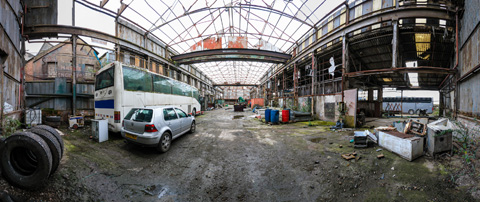
© Steve Jones
Austin Guest experimented with different orientations, reflections and juxtapositions to highlight different impressions of architectural structures in Hackney Wick and the wider London area. Members were particularly intrigued by an image of words appearing in water jets.
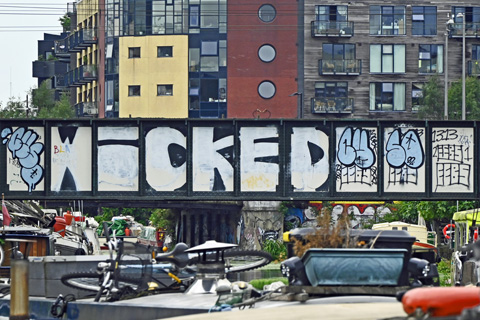
© Austin Guest
Simon Zebu’s project paired images showing related subjects with striking parallels in bold colour and/or surprising subject matter

© Simon Zebu
Sue Czapska shared two personal projects she is developing using Photoshop. Images of people reflected in the Little Venice underpass were evocative of her recent bereavements. Other combinations and layerings reflected on the mysteries of nature and changing human relationships. Members fed back their thoughts about the relative size of different elements of the combined images.
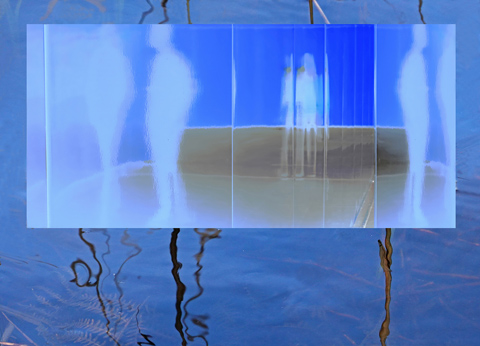
© Sue Czapska
The next meeting will be on April 8, with the theme “Green”.